

Merlot is one of the world’s most widely loved red wine grapes, and for good reason. Known for its plush texture, generous fruit, and food-friendly nature, Merlot is often the grape that helps people fall in love with red wine. But beyond its easygoing reputation, Merlot has a rich history, remarkable versatility, and an important place in Napa Valley wine culture.
This Merlot 101 guide answers the most common questions wine lovers ask online: What is Merlot? Where does Merlot come from? How does Merlot taste? – while exploring why Napa Valley Merlot continues to stand among the world’s finest expressions of the grape.
What Is Merlot?
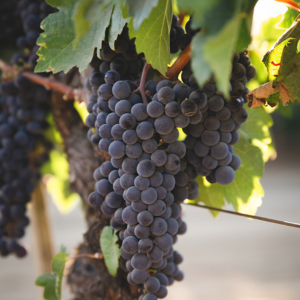
Merlot is a red grape variety best known for producing wines with soft tannins, ripe fruit flavors, and a smooth, approachable profile. It is one of the five classic red Bordeaux varieties, alongside Cabernet Sauvignon, Cabernet Franc, Malbec, and Petit Verdot.
Because Merlot ripens earlier than Cabernet Sauvignon and adapts well to many soil types, it is grown in wine regions around the world. Yet when farmed thoughtfully and grown in the right terroir, Merlot is capable of producing wines with exceptional depth, structure, and aging potential.
Where Does Merlot Come From?
The origin of Merlot traces back to Bordeaux, France. The earliest written reference to Merlot (then called Merlau) dates to 1784, when a French vintner praised the grape for producing “a black and excellent wine.”
The name Merlot is believed to derive from merle, the French word for blackbird – either a nod to the grape’s dark color or to the birds’ fondness for eating the fruit.
Merlot History at a Glance
- Merlot Origin: Bordeaux, France
• Merlot Parentage: Cabernet Franc × Madeleine Noire des Charentes
• Historic Role: Backbone of Right Bank Bordeaux wines (Saint-Émilion & Pomerol)
As Merlot’s reputation grew, it spread well beyond France, finding success in Italy, Chile, Washington State, and especially California.
History of Merlot in California
The history of Merlot in California began in earnest in the mid-20th century, when winemakers started planting Bordeaux varieties beyond Cabernet Sauvignon. Initially, Merlot was often used as a blending grape, prized for its ability to soften and round out firmer wines.
By the 1970s and 1980s, passionate champions of the grape helped elevate Merlot into a standalone star. This period marked a turning point in California Merlot history, as wineries began producing varietal Merlots that showcased richness, balance, and regional character.
Napa Valley Merlot History
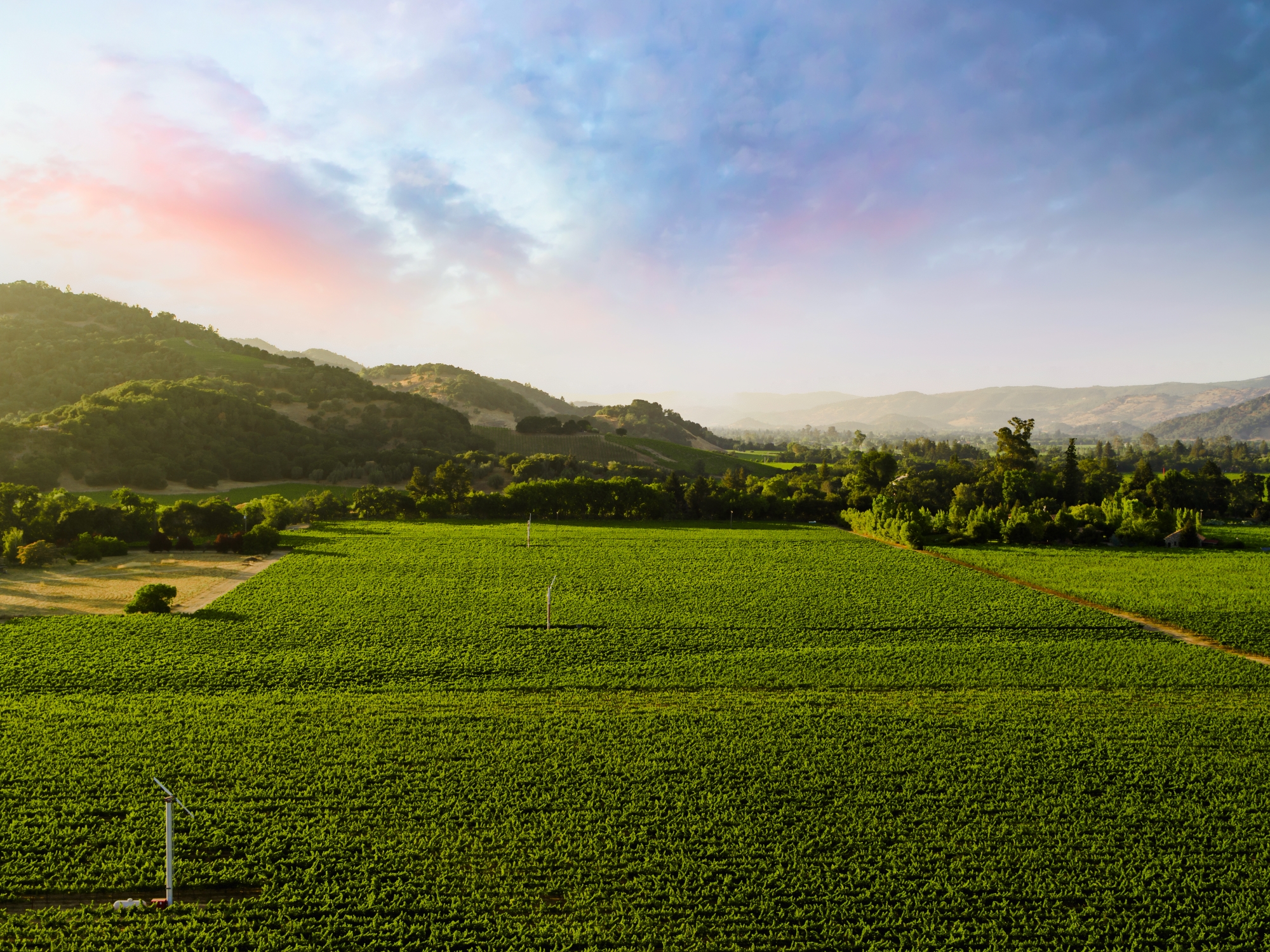
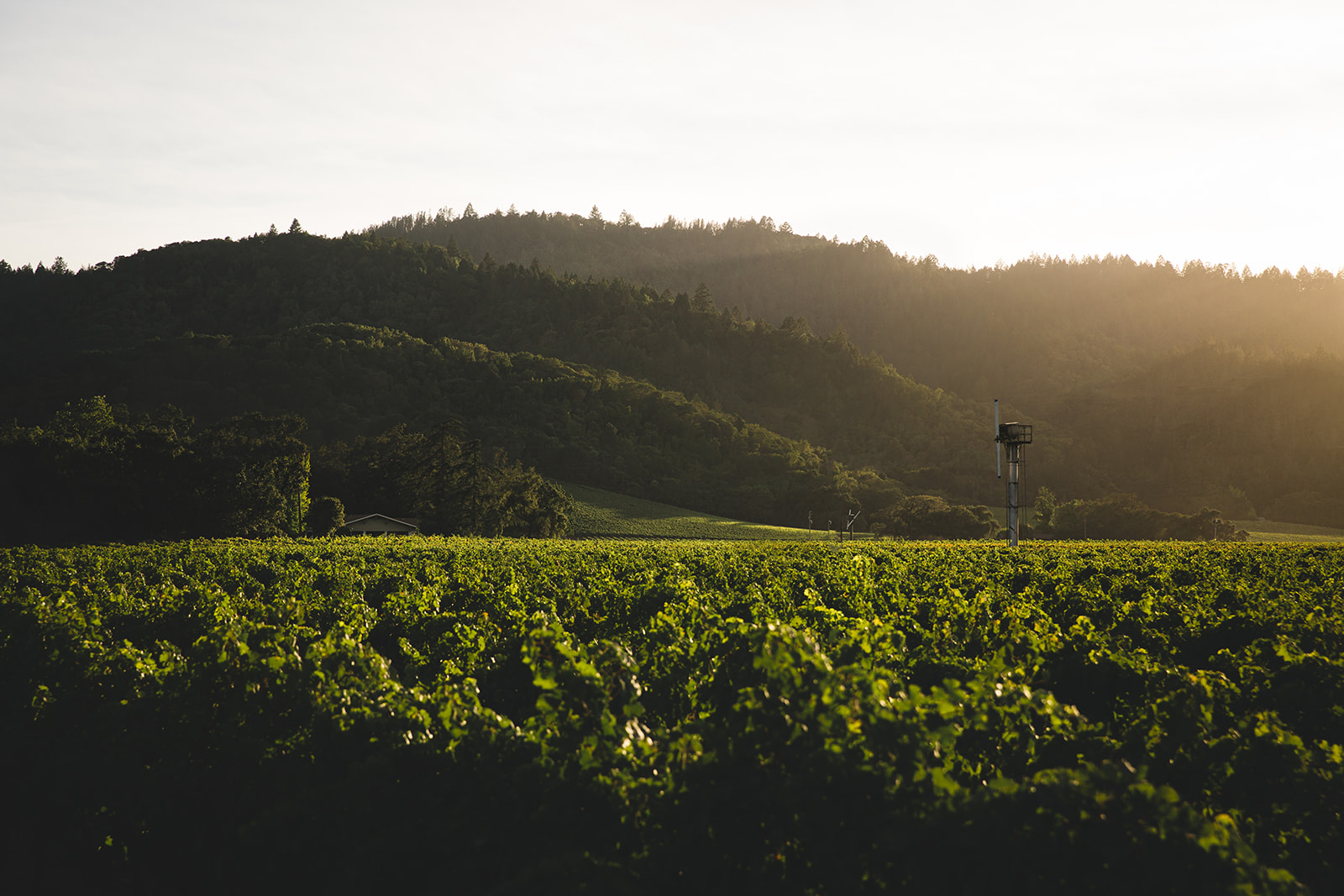
Napa Valley’s Merlot history mirrors the region’s rise as a world-class wine destination. Warm days, cool nights, and diverse soils allow Merlot to ripen fully while retaining freshness and structure.
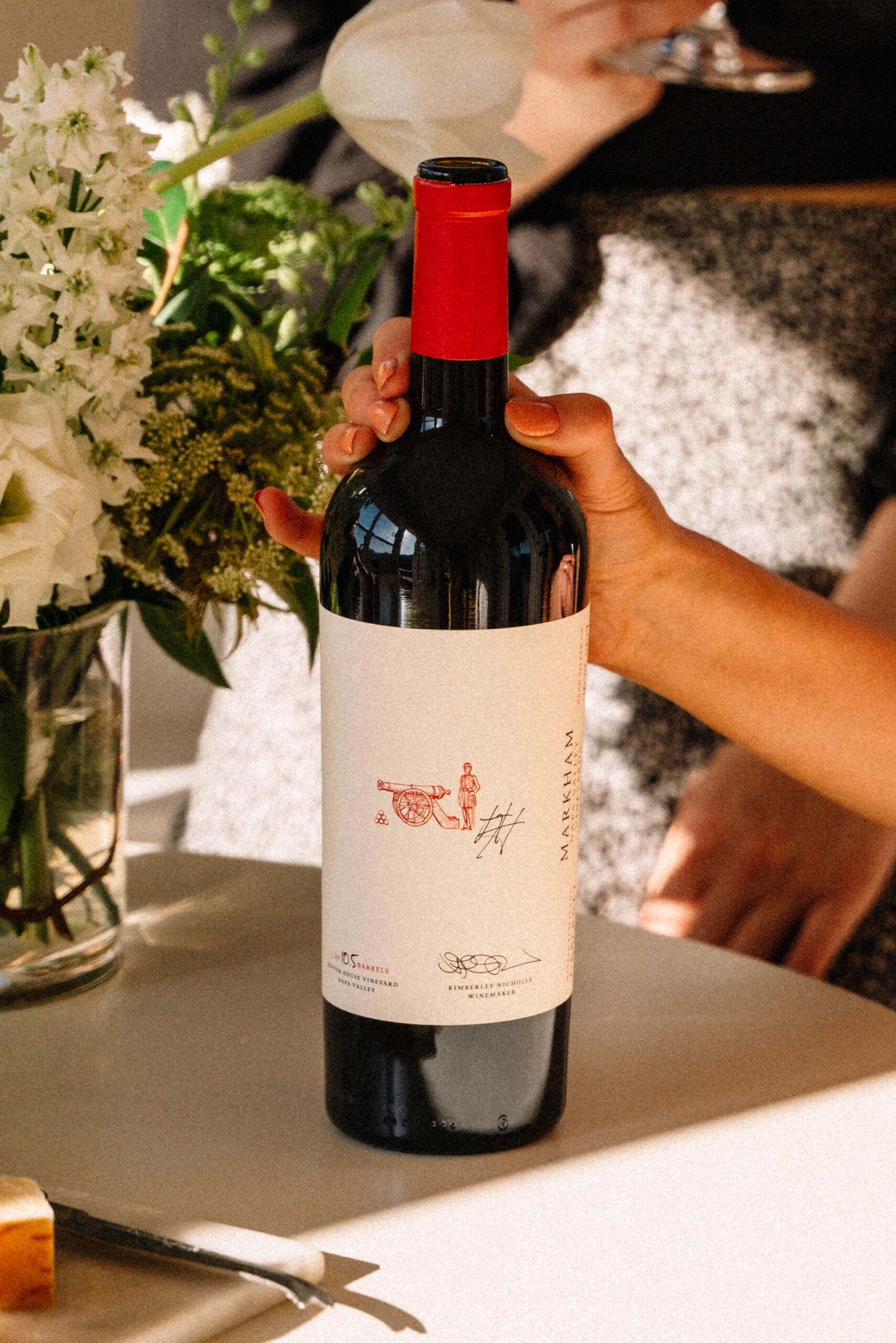
At Markham Vineyards, Merlot has been central to the winery’s identity since its early years. In 1980, Markham became just the fourth winery to produce a Napa Valley Merlot, helping to establish the grape as one of Napa Valley’s great varietal wines.
Under the guidance of longtime winemaker Kimberlee Nicholls, Markham continues to explore Merlot across vineyard sites and styles, reinforcing the winery’s reputation as one of Napa Valley’s leading Merlot producers.
Explore our current Napa Valley Merlot releases to experience these expressions firsthand.
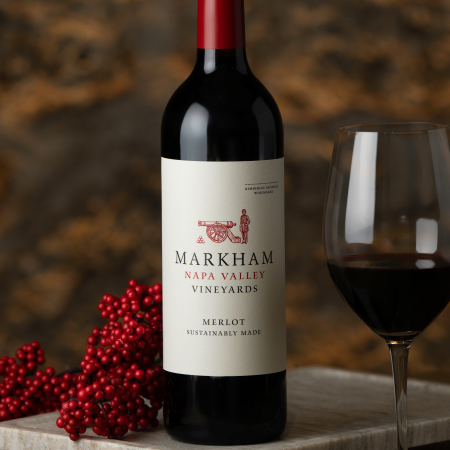
How Does Merlot Taste?
If you’re wondering how Merlot tastes, the short answer is: smooth, expressive, and fruit-forward.
Typical Merlot flavor characteristics include:
• Fruit: cherry, plum, raspberry, blackberry
• Secondary notes: cocoa, mocha, vanilla, bay leaf
• Structure: medium to full body, soft tannins, balanced acidity
Merlot is often less tannic than Cabernet Sauvignon, which makes it more approachable in its youth, yet top examples can age beautifully for years.
If you’ve ever wondered why Merlot feels softer than Cabernet Sauvignon, it largely comes down to tannin structure and earlier ripening patterns, which produce rounder textures and a more supple mouthfeel.
How Does Napa Valley Merlot Taste?
How does Napa Valley Merlot taste compared to other regions? Napa Merlot tends to be richer and more layered, thanks to the region’s sunny climate and long growing season.
Napa Valley Merlot often shows:
• Riper black-fruit flavors
• A plush, velvety mouthfeel
• Greater depth and concentration
• Excellent balance between fruit, acidity, and oak
From elegant, food-friendly styles to powerful, cellar-worthy wines, Napa Valley Merlot showcases just how versatile the grape can be.
Best Merlot Pairings: Why Merlot Is So Food-Friendly
One of Merlot’s greatest strengths is its versatility at the table. Its moderate tannins and generous fruit make it a versatile pairing with a wide range of dishes.
Best Food to Pair With Merlot
Some of the best Merlot pairings include:
• Roast chicken or turkey
• Grilled pork chops or pork tenderloin
• Mushroom risotto or roasted vegetables
• Pasta with tomato-based or creamy sauces
• Herb-crusted lamb or beef dishes
If you’re searching for the best food to pair with Merlot, think dishes that are savory rather than overly spicy, and rich without being too heavy.
Why Merlot Is a Perfect Wine for Beginners
For those just starting their wine journey, Merlot is often recommended because it is:
• Easy to drink
• Widely available
• Consistently food-friendly
• Expressive without being overpowering
At the same time, Merlot offers enough complexity to reward curious wine lovers as their palates evolve.
Final Thoughts: Merlot Then and Now
From its Bordeaux origins to its rise as a Napa Valley icon, Merlot has proven itself to be one of the world’s most adaptable and expressive wine grapes. Whether you’re discovering Merlot for the first time or revisiting it with a fresh perspective, today’s Napa Valley Merlots – especially those from longtime specialists like Markham – showcase the grape at its very best.
Smooth, versatile, and deeply rooted in history, Merlot remains a classic worth knowing – and tasting – again and again.